
Small guide to Moroccan cities

Marrakech

Fes

Rabat

Meknes

Chefchaouen

Agadir

Tangier

Essaouira

Ouarzazate

Casablanca

The Moroccan kingdom (Al-Mamlaka al-Maghribiya) is a constitutional monarchy in North Africa with the capital city of Rabat and the largest city of Casablanca. The head of state is King Mohammed VI of the Alaouite dynasty, which has ruled the country since the 17th century. The official languages are Arabic and Berber (Tamazight), while French is a key language in administration and business. The official currency is the Moroccan dirham (MAD). The country is located in the UTC+1 time zone and currently has the most modern railway network in Africa, including the Al Boraq high-speed trains connecting Tangier, Casablanca, and Marrakech.

Geography:
Morocco's geographical backbone consists of four distinct regions, making it one of the most diverse countries in Africa. The dominant feature of the interior is the massive Atlas mountain range, which is divided into the Middle, High, and Anti-Atlas; it is here that the Jbel Toubkal (4,167 m above sea level) rises, the highest peak in North Africa, which is covered with snow in winter months. In the north of the country, the Rif mountain range stretches along the Mediterranean Sea, while the western border is formed by thousands of kilometers of Atlantic coastline with fertile plains, where most of the agriculture and large cities are concentrated.
Towards the east and south, the landscape dramatically changes into the Sahara Desert, which covers a significant part of Morocco's territory. This region is characterized by vast stone plateaus (hamadas) interrupted by iconic sand dunes, such as Erg Chebbi near Merzouga or Erg Chigaga. The country's strategic location is underlined by the Strait of Gibraltar to the north, which separates Morocco from Europe by only 14 kilometers of water, creating a unique climatic interface between the humid oceanic air and the dry heat of the African interior.

Demography:
Morocco's population consists of approximately 38 million people, with Arabs and Berbers (Amazigh) forming the ethnic basis, who are the indigenous inhabitants of North Africa. These two ethnic groups are now strongly mixed, defining Morocco's unique identity and culture. The dominant religion is Islam, to which over 98% of the population adheres, with the state considered a model of religious tolerance in the region with law-protected minorities. The population is very young, with a median age of around 29 years.
More than 60% of the population lives in large agglomerations in the northwest of the country, such as Casablanca, Rabat, Tangier, and Marrakech. Moroccan society is known for its strong family orientation and traditional hospitality, which remains a pillar of everyday social life.

Fauna and Flora:
Morocco's nature is valued for its exceptional biodiversity, which is due to the combination of the Mediterranean climate, high mountain ranges, and the arid Sahara. The flora is characterized by unique species, the most notable of which is the argan tree, an endemic species found only in southwestern Morocco, from whose fruits the rare argan oil is produced. In the higher elevations of the Atlas mountains, vast cedar forests (Atlas cedar) dominate, while in the oases of the south, millions of date palms are an economic pillar. The Mediterranean coastline is lined with cork oak, juniper, and aromatic herbs such as rosemary and thyme.
Morocco's fauna is just as diverse and includes rare species protected in national parks. The iconic animal is the Barbary macaque (the only primate living north of the Sahara), which can be commonly observed in the cedar forests of the Middle Atlas. In the mountainous and desert areas, gazelles, fennec foxes, and rare caracal lynxes live, while the skies above the Atlas are dominated by golden eagles and griffon vultures. Morocco is also a key stopover for millions of migratory birds (such as flamingos and storks) traveling between Europe and Africa, with the best conditions for observation offered by wetlands like the Souss-Massa National Park. 

Marrakech

Fes

Rabat

Meknes

Chefchaouen

Agadir

Tangier

Essaouira

Ouarzazate

Casablanca

Marrakech

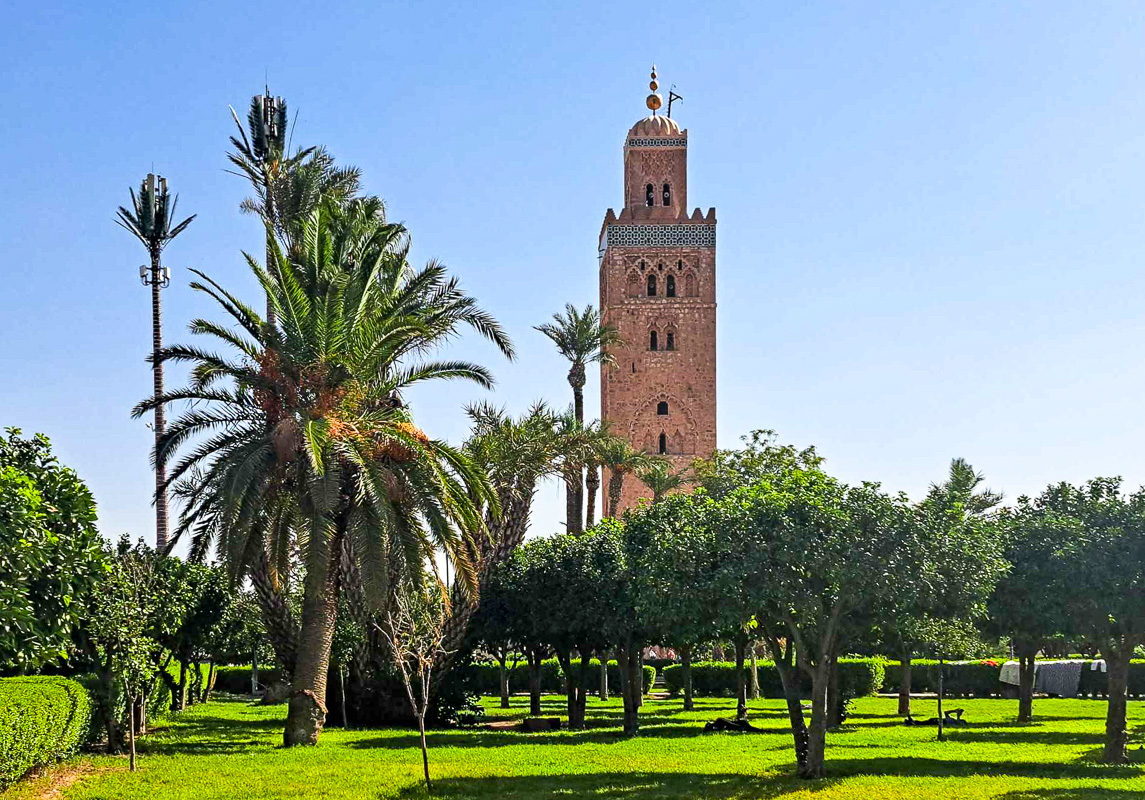
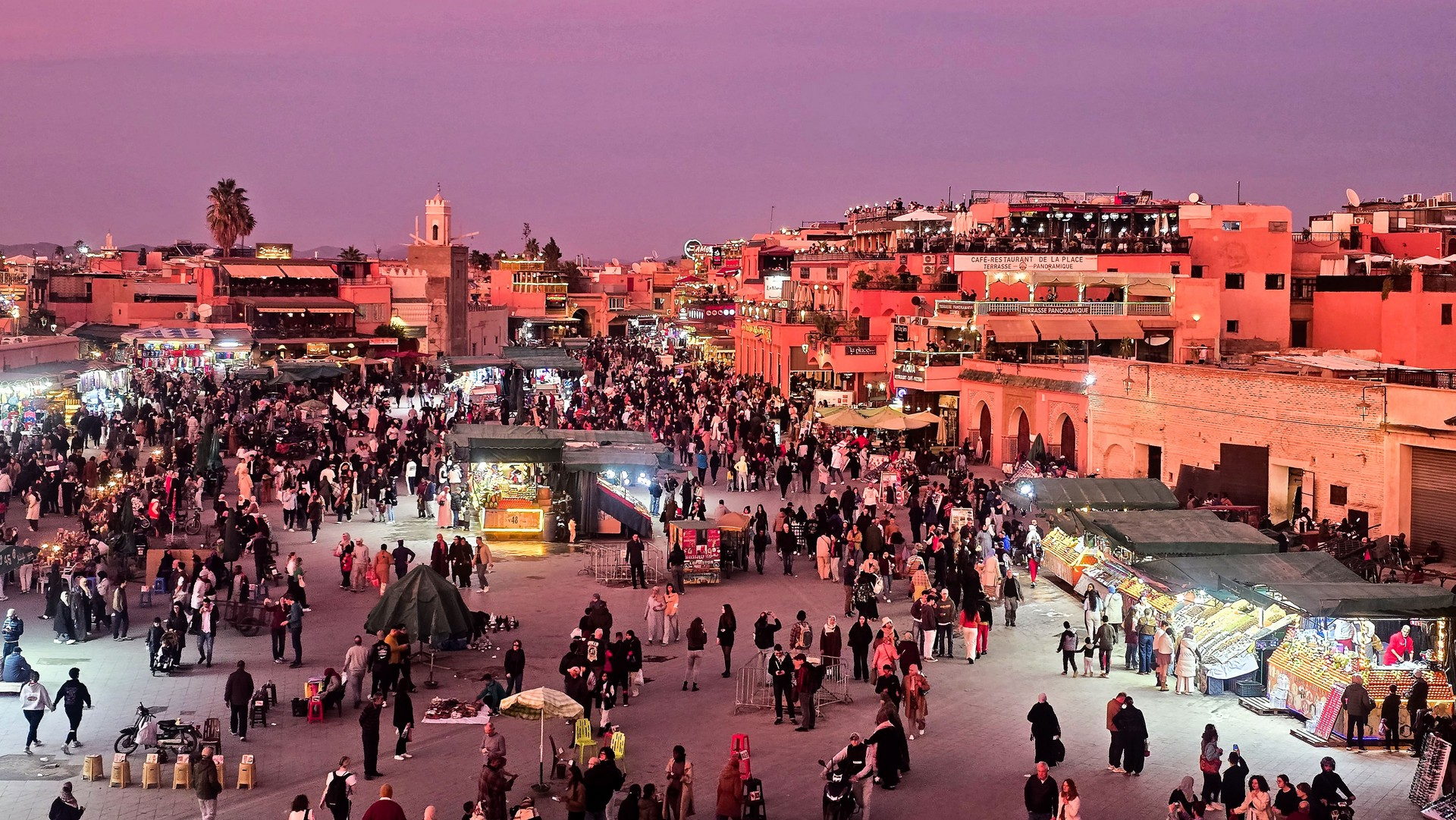
Marrakech is one of the royal cities in central Morocco, also called the red city due to the color of the houses built from local red/ocher clay. The location of Marrakech offers breathtaking views of the snow-capped peaks of the High Atlas. The city is known for its souks/markets with an incredible amount of goods and an exceptionally lively central square Jemaa El Fnaa full of snake charmers and monkeys, street Berber music, women who will paint you with henna and many stalls with varied street food and fresh juices. The medina is the most visited place in Marrakech. This UNESCO-listed landmark has been welcoming Berber traders and weary travelers since the 11th century. Since then, it has been one of the most visited cities in Morocco. The rich architecture, amazing atmosphere in the medina and plenty of activities force tourists to return. The Koutoubia Mosque is the most amazing Islamic monument in the Maghreb region. Built by the Almohads in the 12th century, it is a classic of the Moroccan-Andalusian style. Its 70-meter-high minaret is a significant dominant feature of Marrakech and the view can be enjoyed from many restaurants on the main square.

8 tips – the best of Marrakech:

  • Admire the Ben Youssef Medresa – an architectural treasure with stunning marble sculptures and mosaics. One of the most important centers of Islamic education for over 500 years.
  • Explore the ruins of the El Badi palace – Once it was one of the most magnificent palaces ever. Even its name, El Badi, in Arabic means „unbeatable palace“.
  • Get lost in the winding alleys of the Marrakech medina and marketplace – The markets in Marrakech are the largest in Morocco. You can spend hours wandering there.
  • Walk around the Koutoubia Mosque – Non-Muslims are not allowed to enter the mosque itself, but you can admire its exterior and the park behind it is also very beautiful. Its 77-meter-high minaret is the most significant landmark in Marrakech, as no other building in the city is taller than its minaret. This dominant feature is visible from every corner of the main streets.
  • Spend a night in an authentic riad - A riad is a traditional Moroccan luxury house with an inner garden and courtyard, where you can experience the real atmosphere of old Moroccan times in a modern way.
  • The Menara gardens – This historic public garden and orchard were founded in the 12th century by the Almohad dynasty. They are known for their large central pond, a pavilion with a view of the water and extensive olive groves.
  • The Saadian tombs are a historic royal necropolis, where the remains of members of the Saadian dynasty are buried, including Sultan Ahmad al-Mansur.
  • Spend time in Jardin Majorelle – it's an enchanting botanical garden and artistic landscape of two and a half acres, which was created by French artist Jacques Majorelle for nearly forty years.

Morocco is the kingdom of fresh juices
Marrakech

Fes

Rabat

Meknes

Chefchaouen

Agadir

Tangier

Essaouira

Ouarzazate

Casablanca

Fez

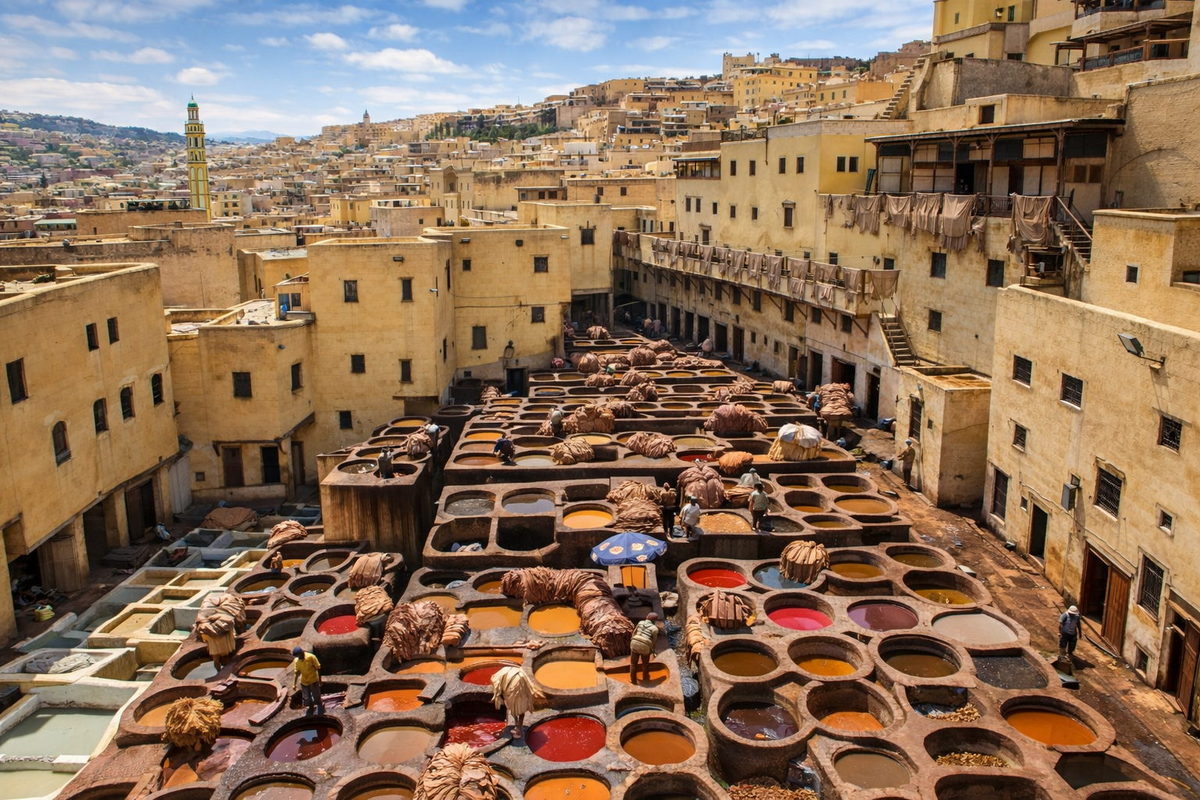
It is a city in the northern part of Morocco. It is the oldest and most important of the four royal cities of Morocco. Fez is known for its 9400 streets. Its narrow streets, known as zanqa, can beautifully confuse you in the city. When you are in Fez, you must see the iconic Kairouan mosque, the Andalusian mosque or the Al-Attarine madrasa. All these mosques are richly decorated and architectural gems. The main shopping center is Kaisaria, where high-quality traditional babouche slippers are still sold today, especially in the yellow version. Women's jellabas and men's kaftans can be found on every corner, in all colors. In this city, you can find about 70 fountains, one of the most beautiful is located on Nejjarine Square. What else should you not miss in Fez? Tanneries, a specialty of the city of Fez. Calf, beef and sheep skins, which are so necessary for the production of high-quality babouches, have been traditionally processed here for centuries. The chemicals used for their tanning contain the aforementioned pigeon droppings and are dyed manually in vats using natural dyes. The yellow bag is therefore yellow thanks to turmeric and the blue shoes are blue thanks to indigo.

8 tips - the best of Fez
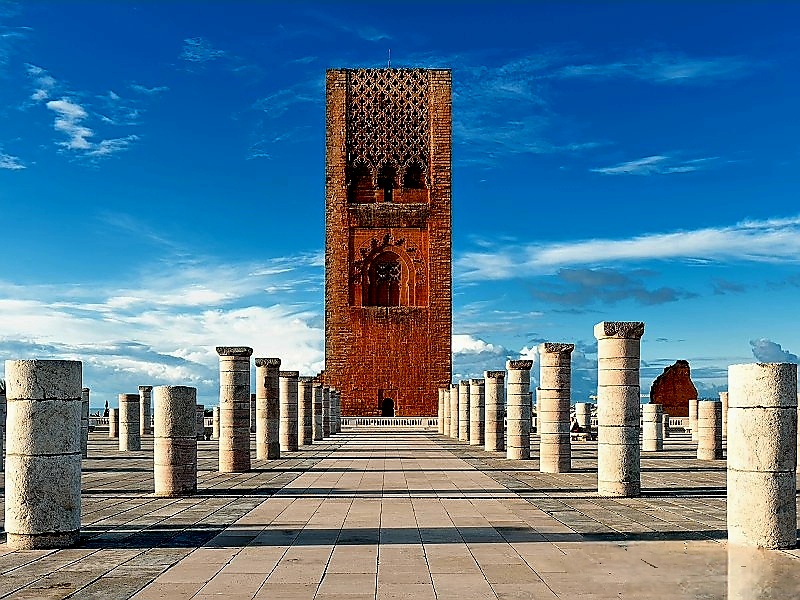
  • Cult mosque in Kairouan - Kairouine Mosque, also known as Al-Qarawiyyin. It is the second largest mosque in Morocco and is famous not only as a mosque, but also as a university with a rich history. The mosque has two minarets: the original and Burj an-Naffara (Trumpeter's Tower). The original minaret is the oldest Islamic monument in Fez, dating back to 956.
  • The majestic Andalusian mosque - the Andalusian mosque is an impressive embodiment of Moroccan Islamic architecture, characterized by decorated decorations and historical significance. When you approach the mosque, you will be greeted by complex tile work and majestic minarets that elegantly rise against the city panorama.
  • The Koranic school Madrasa Al-Attarine - Madrasa Al-Attarine is one of the most important spiritual centers in Fez and one of the most visited monuments in this Moroccan city. It was inhabited by numerous scholars and craftsmen and has a very long history and cultural background. The Koranic school, also known as "medresa", housed students who studied the entire contents of the Koran verse by verse.
  • The main shopping center Kaisaria - Kaisaria, which literally means Great Bazaar, offers a variety of Moroccan products for sale. But even if you don't want to buy anything, walking through these alleys is worth it.
  • The majestic Nejjarine fountain - The Nejjarine fountain, an architectural masterpiece located in the charming city of Fez. This beautiful fountain is decorated with intricate tiles and carved wooden details, representing the best craftsmanship that this region is known for. It is an ideal place for photography lovers and anyone who wants to appreciate the beauty of Moroccan art.
  • Strong scent experience in the Chouara tannery – It is one of three tanneries in the city of Fes. It is the largest tannery in the city and one of the oldest. Tanneries are full of round stone vessels filled with dye or white liquids for softening leather. Leather goods made in tanneries are exported all over the world.
  • Excellent delicious couscous – Visit one of the traditional Fez restaurants and have freshly prepared couscous with tfaya (onion and raisin decoration) served with a cup of hot mint tea.
  • Charming medina – The medina listed on the UNESCO list is the main reason why tourists come to Fes. There is no need to plan anything – it does not make sense, because you will probably get lost anyway.

Marrakesh

Fes

Rabat

Meknes

Chefchaouen

Agadir

Tangier

Essaouira

Ouarzazate

Casablanca

Rabat

Rabat, the royal and capital city of Morocco, is known for its architectural treasures, picturesque tree-lined streets, world-class museums, and beautiful gardens. It is also a cultural city with deep roots in history. Its streets and squares are adorned with many masterpieces. Visit the Kasbah des Oudayas, a majestic and beautiful fortress decorated with surrounding gardens. Nearby, the impressive walls of Chellah, a necropolis from the Merinid era, rise. Rabat is listed on the UNESCO World Heritage List for its mix of tradition and modernity, where a surprising number of historical monuments fit comfortably into impressive modern urban planning.

8 tips - the best of Rabat
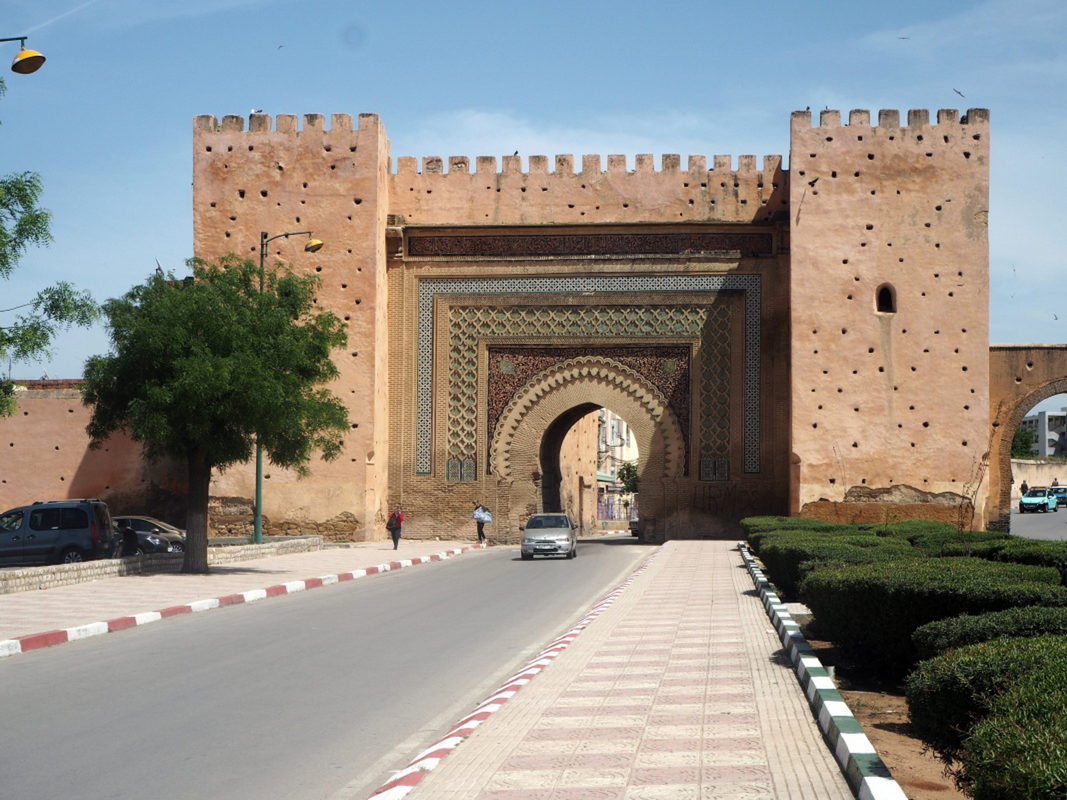
  • Get to know the charm of Kasbah des Oudaias - This 12th-century citadel offers a fantastic view of the Bou Regreg River and the Atlantic Ocean. Inside the medieval gates and pink walls of Kasba, you will find the historical heart of Rabat. Walk through the paved streets and colorful alleys, admire the cobalt blue and white houses, and visit the Andalusian Gardens with the scent of citrus, a walled garden that is also home to the National Jewelry Museum. Right next to it is the Café Maure, which offers a fantastic view of the river and traditional pastries. Visiting Kasba at sunset offers the best light and the opportunity to watch the sun set over the Atlantic.
  • Unique mausoleum of Mohammed V. – In this marble mausoleum, which is decorated with beautiful examples of Moroccan art, including colorful zellige (geometric mosaic tiles) and engraved plaster, were buried the father and grandfather of the current king (the late Hassan II.). Its engraved cedar ceiling is covered with gold leaf and is really magnificent. Royal guards wear traditional clothes. Visitors must be decently dressed and can view the tomb from the gallery.
  • Royal Palace – This palace is located at the end of the mechouar (large parade ground), dates back to 1864 and is the main residence of the royal family. Entrance for visitors is closed, but tour groups can park and take photos here.
  • Explore the archaeological ruins in Chellah – Chellah is a vast necropolis and archaeological site, where you can see the remains of the Roman and Merinid empires, which blend seamlessly. Roman roads, Latin inscriptions and mosaics meet the Islamic minaret and mosque.
  • Shop in the souks – Walk through the peaceful streets of Rabat's medina, start on Rue des Consuls. If you're not in a hurry, follow the souks and see where you end up. Look for good deals on antiques, carpets, pillow covers and brass goods.
  • Cool off in the Andalusian gardens - visit the Andalusian gardens. They are located at the entrance to the Kasbah of the Oudaias, to the right of the main historical gate. Andalusian gardens, because under the citrus trees there is enough shade, ideal for resting on hot summer days. Admission is free. We also liked that the gardens are free to visit. You will find that the opening hours vary, as they are officially open from sunrise to sunset.
  • Pay attention to the famous street art - Rabat has a fantastic street art scene. A key feature of the capital is that it has its own festival called Jidar. Download the application called Street Art Cities. It will help you learn more about each artwork as you pass by.
  • Local ZOO - You can explore the zoo and meet animals that come from Morocco and the rest of the African continent. There are over 130 different species of animals, so it deserves a full-day visit. One of the fun things you can do there is feed some of the animals.

Marrakesh

Fes

Rabat

Meknes

Chefchaouen

Agadir

Tangier

Essaouira

Ouarzazate

Casablanca

Meknes

Meknes, an amazing museum under the open sky, which is part of the medina in Meknes and the remains of the royal palace, has earned an undisputed place on the UNESCO World Heritage List. Another of the fourth royal cities. On El Hedime Square is Bab Mansour, one of the masterpieces of Hispano-Moorish art, the entrance gate to the medina. Don't miss a visit to the royal stables and granaries of Sultan Moulay Ismail. In the north of Meknes is the largest Roman archaeological site in Morocco, Volubilis. The triumphal arch, the capitol, the house of Bacchus, all testify to the splendor of the city and its economic and political weight. Meknes, as an imperial and eternal city, offers you an experience full of discovery of heritage and history.

8 tips - the best of Meknes
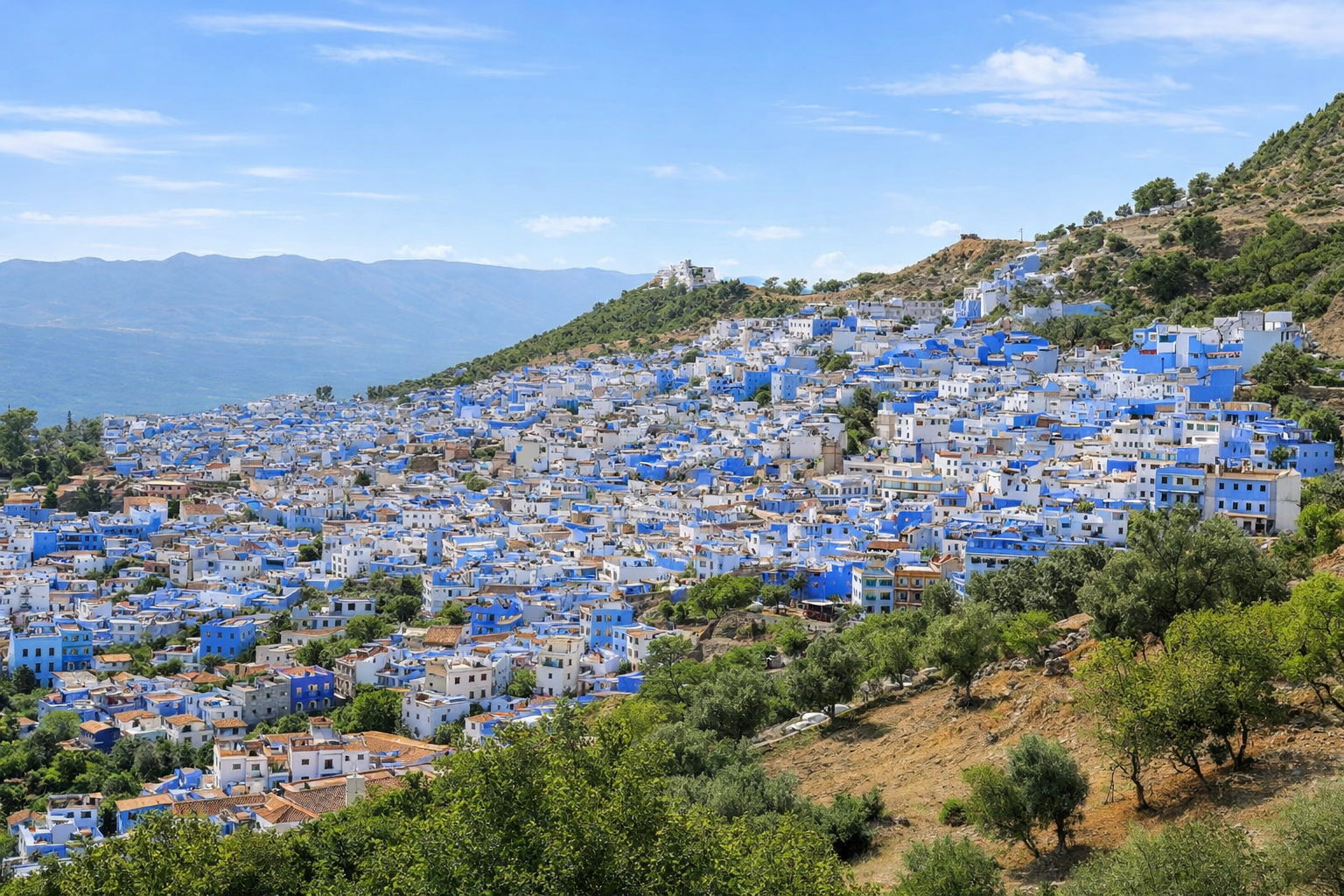
  • Bab Mansour is one of the massive gates that mark the entrance to the old city through fortified walls. This is by far the most impressive, and therefore the most famous. Colorful and detailed mosaics are still clearly visible above the entrances and marble columns come from the nearby Roman ruins of Volubilis.
  • Hedim Square - Bab Mansour Gate is facing Hedim Square, the main square in the old part of the city. Hedim Square is much smaller than Jemaa El Fnaa Square in Marrakech and also much less interesting. However, there will probably be a few people selling things, charming snakes and operating games. I do not recommend trying to find the square as a separate attraction, but you will have to pass through it to get to some of the attractions that are worth visiting. It's a nice place to stop and have a coffee in one of the cafes on the edge. You can also find good Moroccan food here.
  • Mausoleum of Moulay Ismail – Mausoleum is the most important building in Meknes and is a must-visit. It is just a few minutes walk from Bab Mansoura and from the Place Hedim square. Moulay Ismail was the ruler who founded the imperial city of Meknes, so it's no wonder that his resting place was so grand. From the outside, it looks like just a large building, but then you pass through several courtyards to the outdoor courtyard and then to the tomb itself.
  • Madrasa Bou Inania – Back in the city center is one of the most interesting landmarks in the medina, the madrasa Bou Inania. This old Islamic school was founded in 1350 and should not be confused with the same-named school in Fez. It is a beautiful architectural work with detailed tilework and carved artworks on the walls, as expected from these institutions.
  • Prison of Habs Qara – Right next to the mausoleum is one of the most frightening landmarks in Meknes. From a height, you wouldn't recognize it, but the small skylights on the empty square in front of it actually provide the only sunlight to the enormous underground prison. In the space beneath it, Moulay Ismail held up to 60,000 prisoners chained to the walls. Usually, they were used to build palaces in Meknes during the day and were forced to sleep standing at night.
  • Granaries of Heri Es-souani – A little behind the old city, behind the Royal golden grounds (which is protected by a huge wall), are the granaries of Heri es-Souani. The complex consists of two main parts. The first is the inner part, which slightly resembles the prison of Habs Qara, but is not as frightening. It served as a storage for enormous amounts of grain (not people). The outer part of the complex also has rows of stone arches, but served as a royal stable for breeding horses and other animals.
  • Museum Dar Jamai – On the other end of Place Hedim square is the Dar Jamai museum. The building is a palace built in 1882 by the powerful Jamai family. Even without the exhibition inside, the museum is worth a visit, just to see the architecture. Especially impressive is the room on the floor with carpets and pillows for the harem. The exhibits are located in various rooms and mostly represent works of art from different centuries. You will find ceramics, jewelry, and even an old prayer platform here. The main rooms have a view of the beautiful central garden, which is relaxing and cooling on a hot day.
  • Medina – Of course, it is worth mentioning that the old medina in Meknes is impressive in itself. Like the medina in other cities, it can be a bit like a labyrinth and it is easy to get lost (although this is half the fun). You will find quality shopping here, which is often a bit cheaper than tourist prices in other cities. Near the main square, there is a concentration of shops focused on international visitors, but the deeper you go into the medina, the more authentic the shops become.

Marrakech

Fez

Rabat

Meknes

Chefchaouen

Agadir

Tangier

Essaouira

Ouarzazate

Casablanca

Chefchaouen

Chefchaouen, known as the "blue city" or "blue pearl", is one of the most photogenic places in Morocco. It is located in the northern part of the country, in the heart of the Rif mountains, and its unique atmosphere attracts travelers, photographers, and nature lovers. One of the main attractions of Chefchaouen is its blue buildings/streets, which are very attractive to photographers and travelers from all over the world. The traditional blue color on the walls, which made the city famous, appeared only in the 1930s. The blue coloring of the walls was allegedly introduced because this color evokes thoughts of heaven, peace, and God. According to another version, it was supposed to repel insects. Anyway, walking through this blue labyrinth is an experience that will instantly transport you to another world.

8 tips - the best of Chefchaouen
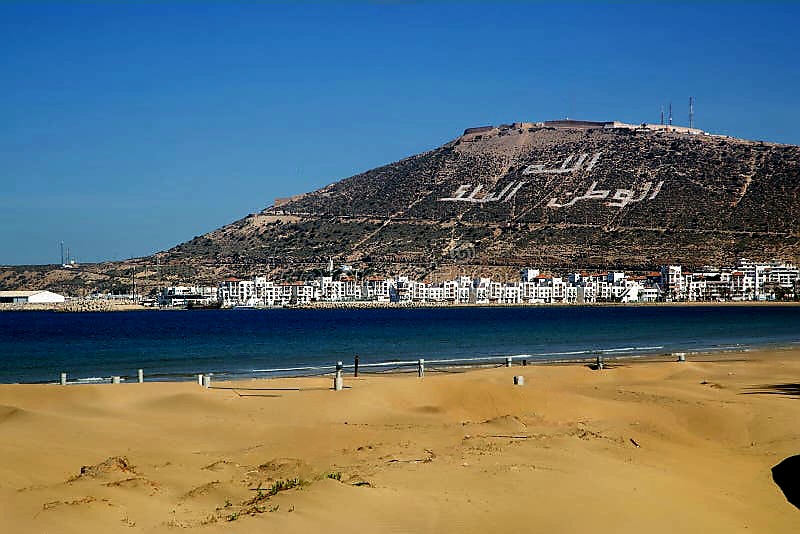
  • El Haouta Square - The center of the action is El Haouta Square with a fountain and a medieval fortress, surrounded by dozens of restaurants, shops, and tourist attractions, with the medina and mountains in the background. Evenings bring live music to the square and it's a fun place to meet and have a meal.
  • View of the city - The best view is obtained when you climb to the Spanish Mosque. The walk from the medina takes about 30 minutes. The hike on the slippery pavement will reward you not only with a beautiful view of the blue houses but also with a beautiful sunset if you stay here until the evening. The path is lit and safe.
  • Get lost in the blue medina – The biggest attraction of Chefchaouen is undoubtedly the blue medina. The medina, nicknamed "Blue Pearl", is one of the best things you can do in Chefchaouen, and that is to get lost in the winding streets. It is by far the most photogenic place in Morocco, stairs lined with plants, long indigo suks and secrets hidden in every arch.
  • Visit the Kasbah – In the middle of the main square is the Kasbah, an ancient fortress that you can visit. Climb the watchtowers, walk through the extensive garden and marvel at the breathtaking view of the blue medina. The Kasbah is one of the amazing parts of Chefchaouen, because it helps you imagine what the Old Town looked like in the 15th century.
  • Lunch or dinner with a view – One of the best things you can do in Chefchaouen is to enjoy a meal with a view. With extensive views of the ancient blue town and the towering mountains, dining under the open sky is unforgettable. Many restaurants in Chefchaouen have terraces, which means stunning views from anywhere you choose.
  • Walking along the old city walls – A tour of the old city walls is definitely one of the lesser-known attractions you can do in Chefchaouen. In fact, most people don't even know they exist. Although with a keen eye, you can spot them from the bottom of the medina, as they rise at the foot of the mountains and protect the charming blue old town. You can visit the walls by climbing to the top of the medina. Follow them uphill and open up stunning views of the city framed by crumbling arches and you have the opportunity to meet farmers, goats and donkeys.
  • Hike to the Panorama Cafe – If you feel like walking a bit further, about forty-five minutes beyond the Spanish mosque, there is an incredible cafe with a panoramic view of Chefchaouen and the valley below. It is definitely less known and is one of the most unique attractions you can do in Chefchaouen, so if you want to escape the crowds, don't hesitate and go up.
  • Refresh yourself by the Ras El Ma River – Chefchaouen is divided by the Ras El Ma River, which runs through the city and offers several places to sit by the water and rest. It's especially beautiful on hot days, when you can dip your feet in the cold water and drink freshly squeezed juice.

Marrakech

Fes

Rabat

Meknes

Chefchaouen

Agadir

Tangier

Essaouira

Ouarzazate

Casablanca

Agadir

One of the most famous seaside resorts and cities in Morocco, Agadir. The Atlantic coast in the city center forms a 5-kilometer-long and wide sandy beach. The coast is lined with hotel resorts and a well-maintained promenade runs along the entire beach. In addition to the beach and ocean, which is ideal for water sports, you can go shopping at the traditional Souk El Had market, sit in cafes and drink typical mint tea alias Berber whiskey or take a taxi to the former Oufella fortress, also known as Kasbah. You will find peace and entertainment here. In short, everyone will find something for themselves.

8 tips – the best of Agadir
  • An authentic experience at Souk El Had – If you are looking for an authentic Moroccan experience, visit Souk El Had. This market offers a range of local products, such as leather goods, jewelry, fragrant spices, colorful textiles and much more. Walk through the stalls and taste local specialties, such as dates and lamb kebabs. The market is open every day and offers a unique opportunity to explore local culture and traditions.
  • A unique view of La Nouvelle Medina Polizzi – This magnificent complex of ancient buildings was built in traditional Moroccan style and offers a perfect combination of history and modern life. This reconstruction of the old medina in Agadir, which was unfortunately destroyed by an earthquake, is a must-see during your stay in the city.
  • Amazing harbor Marina D'agadir – Marina D'agadir is the largest harbor in Morocco. The harbor offers a beautiful view of the Atlantic Ocean and the harbor is full of luxury yachts. For water sports enthusiasts, there are many water activities available, including surfing and diving. Enjoy the unique atmosphere and don't forget to try local specialties in one of the restaurants in the harbor area.
  • Agadir Oufella Fortress – Agadir Oufella is an ancient fortress located on a hill above the city. From the top of the hill, a breathtaking panorama of the city and its surroundings opens up. The fortress was built in the 16th century and currently serves as a popular tourist attraction.
  • Famous Corniche de la plage d'Agadir – The beach in Agadir is one of the most beautiful beaches in Morocco. Given that the beach is over 9 kilometers long, everyone can find their place to swim and sunbathe. The water is clean and warm, which will be appreciated by everyone who comes to dip their body in the Atlantic Ocean. On the beach, you can find many restaurants and snack stalls. Corniche de la plage d'Agadir is a beautiful promenade along the beach with a magnificent view of the Atlantic Ocean. It is therefore an ideal choice for walks and relaxation throughout the day. The beach in Agadir is an ideal place for a holiday full of relaxation and rest in the sun.
  • Amazigh/Berber culture museum – This museum offers a fascinating insight into the history of the Berbers. Exhibition shows how they lived and how their culture evolved. Visitors can view traditional clothing, jewelry and other artifacts. The museum is an ideal place for those who want to learn more about local culture and history.
  • Agadir kasbah – This kasbah is a historic fortress in Agadir, offering breathtaking views of the city and surrounding countryside. Built in the 16th century, it served as the seat of the rulers of Agadir. Walk through the narrow streets, admire traditional Moroccan architecture and enjoy the stunning views of the Atlantic Ocean again.
  • Extraordinary crocodile park – Crocodile park is just the place for nature lovers and animal lovers. This park is home to many species of crocodiles, snakes and lizards and offers visitors the opportunity to see them in their natural environment. In addition, you will find many other animals, such as turtles and monkeys.

Marrakech

Fez

Rabat

Meknes

Chefchaouen

Agadir

Tangier

Essaouira

Ouarzazate

Casablanca

Tanger

In the north of Morocco, on the coast is the city Tangier, where the waters of the Mediterranean Sea and the Atlantic converge, you will discover a unique city with a multicultural heritage. Walk through the streets of the 'White' Tangier, which are lined with houses with a lime plaster. At the foot of the high walls of the 'Kasbah', take a walk through the streets of the great 'Socca' and admire the fortress that dominates the Medina. A little further explore the 'Sultan's Palace', which is now dedicated to the art of Morocco. Tangier is also known for its Spanish influence on its culture, starting with the arena at 'Plaza de Torros', not to mention the 'Cervantes' theater built in 1913.

8 tips - the best of Tangier
  • Traditional Medina in Tangier - It is an ancient city full of history, where African and European influences meet. Take a walk through narrow streets that will lead you to mysterious corners and picturesque squares. Enjoy the atmosphere of a traditional Moroccan market and taste local specialties. Visit the Kasbah and enjoy a panoramic view of the city and the port. The Medina in Tangier is an unforgettable experience for every visitor to Morocco.
  • Mendoubia Garden - It is a park in the center of the city. It has extensive green areas, flower beds, and several beautiful fountains. This peaceful and relaxing place is ideal for picnics and walks.
  • Vibrant Grand Socco Square - Grand Socco is a beautiful square in the center of Tangier, full of local life and atmosphere. It is surrounded by many cafes and shops and offers visitors a great opportunity to taste local cuisine and buy souvenirs. In the evening, the square turns into a lively place where locals and tourists mingle.
  • Mysterious Hercules Caves - These caves are a fascinating place that you should not miss. Legend has it that the hero Hercules stopped here to rest after his adventures. The caves are accessible to tourists and offer breathtaking views of the sea cliffs and bay.
  • Tangier Beach - This beach is a beautiful place to relax and unwind. Located near the city center, it offers a wonderful view of the sea. This pebble beach is ideal for swimming and sunbathing. Also, visit nearby restaurants and taste local specialties.
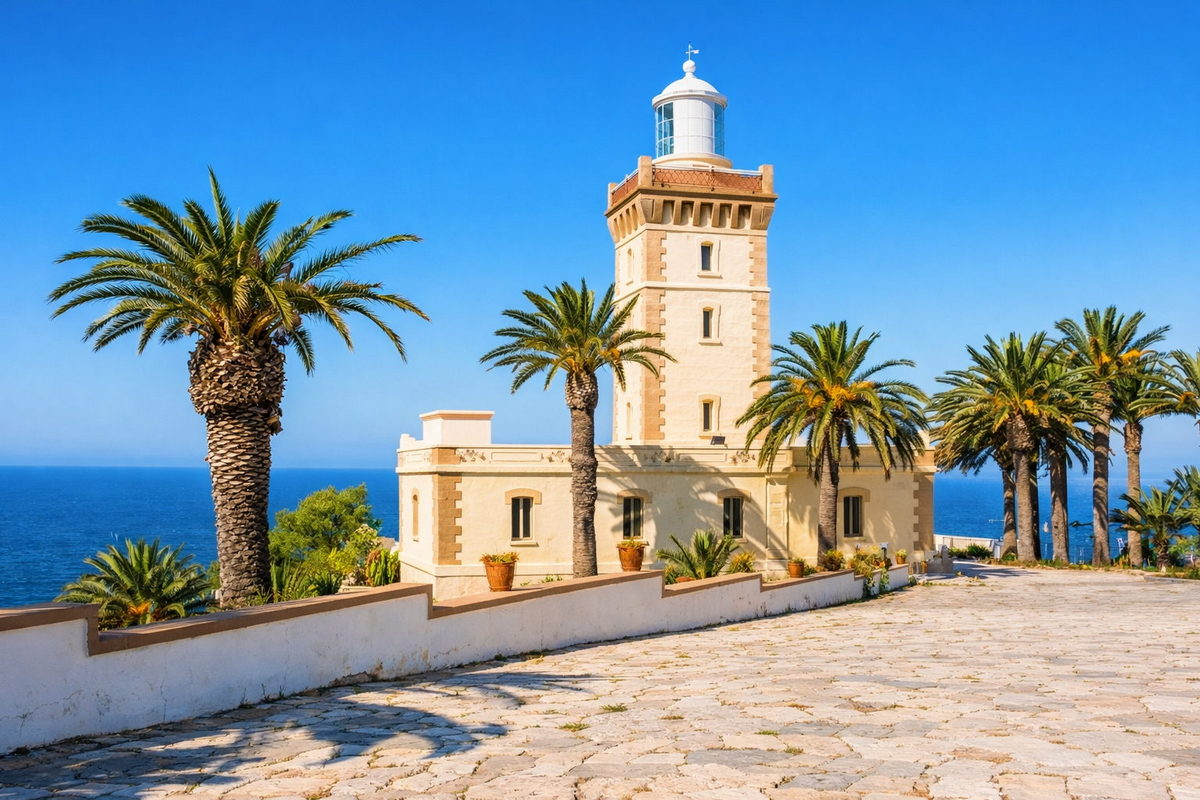
  • Park Cap Spartel - This is a great place for walks and to enjoy beautiful views of the Atlantic. This park is known for its lighthouse, which illuminates the entire area. If you are looking for a quiet place to relax away from the hustle and bustle of the city, Park Cap Spartel is the right choice.
  • St. Andrew's Church - The church is one of the most important landmarks in Tangier. This church, built in the Gothic style, is home to several rare works of art, including stained glass windows and sculptures.
  • Parc Perdicaris - This is a beautiful park worth visiting. Surrounded by nature, the park offers a peaceful place for relaxation and walks. You can walk along the paths, admire various types of plants and animals, or simply relax on a bench. The park is an ideal place for a family outing or a romantic walk with your partner.

Marrakech

Fes

Rabat

Meknes

Chefchaouen

Agadir

Tangier

Essaouira

Ouarzazate

Casablanca

Essaouira

It is a picturesque and tranquil port city with a rich history on the Moroccan coast of the Atlantic Ocean. Walking through its ancient streets and ramparts is inscribed on the UNESCO World Heritage List. Nearby you will find beautiful beaches, ideal for surfing and relaxation. Essaouira is also known for its traditional music and the annual Gnaoua Festival, which is an adventure for your senses. The fish market, which everyone must visit, offers a wealth of fresh fish and seafood. You choose, buy, and a local chef will immediately prepare a delicious and fresh dish for you.

8 tips - the best of Essaouira
  • Large fishing port Essaouira - Essaouira is known for its fishing port, where fresh fish and seafood are sold every day. Visit this picturesque port and taste local specialties. Just choose and the locals will prepare your specialty on the grill. Also, take a look at the traditional blue boats used for fishing and watch the local fishermen at their hard work.
  • Medina Essaouira - Medina Essaouira is an ancient city located on the Atlantic coast. It is known for its port and beautiful white houses with blue doors and windows. In this historical part of the city you will find romantic narrow streets full of shops selling handicrafts, traditional foods, and local landmarks.
  • Essaouira Beach - This beautiful beach with white sand and turquoise water is ideal for swimming and sunbathing. It also offers the opportunity for a beach walk and watching the sunset. Essaouira Beach is a great place to relax and unwind in the exotic setting of Morocco.
  • Historical Palace Dar Sultan - The Dar Sultan Palace is a magnificent palace in Essaouira and is definitely worth a visit. This palace is rich in history and luxury, once the residence of a sultan. Visitors have the opportunity to explore its beautiful gardens and interiors full of art and crafts.
  • Bab Doukkala Gate - Bab Doukkala is one of the most significant historical sites in this windy city. This gate served as the main entrance to the city and is still home to many traditional shops and craft workshops.
  • Scale de la Ville - It is one of the most beautiful viewpoints and a paradise for photographers. This breathtaking viewpoint offers a panoramic view of the entire city and surrounding countryside. It is full of gulls who are happy to pose for you. If you visit this place at sunset, it will be an unforgettable experience.
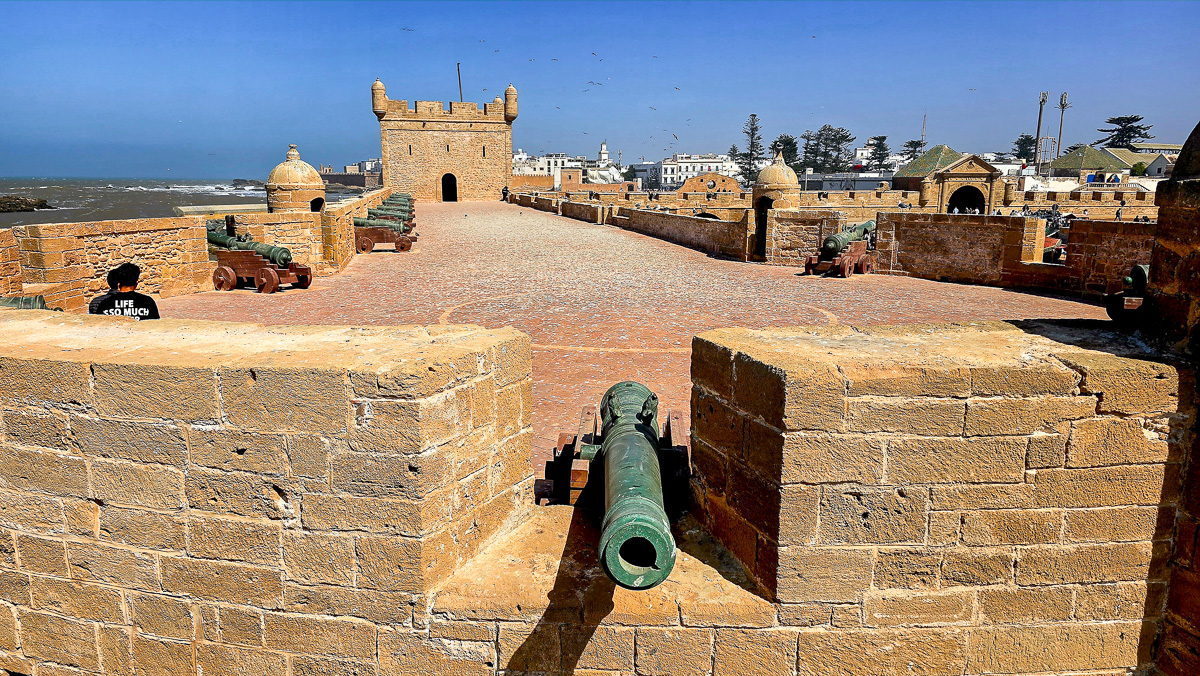
  • Sqala du Port d'Essaouira - This is a historic fortress on the coast of the Atlantic. This fortress, built in the 18th century, served as a defensive structure. Today, it is a popular spot for tourists who can admire the magnificent view of the harbor and sea. Visit this monument and experience a piece of Moroccan history firsthand.
  • City walls - A walk along the city walls is a unique experience that you must not miss. These historical walls surround the city and offer stunning views of the surrounding countryside. Explore the ancient gates and towers that line the way.

Marrakech

Fez

Rabat

Meknes

Chefchaouen

Agadir

Tangier

Essaouira

Ouarzazate

Casablanca

Ouarzazate

Ouarzazate is a picturesque Moroccan city known as the 'Gateway to the Desert'. Its charm lies in impressive kasbahs, historic fortresses, and stunning landscapes. Explore Kasbah Taourirt or the sacred site of Aït Ben Haddou, which have served as backdrops for many films and TV series. For a desert-like experience, head to the Dades Valley or the nearby dunes of Erg Chebbi. Ouarzazate offers an authentic Moroccan experience with traditional markets, crafts, and Moroccan hospitality.

8 tips - the best of Ouarzazate
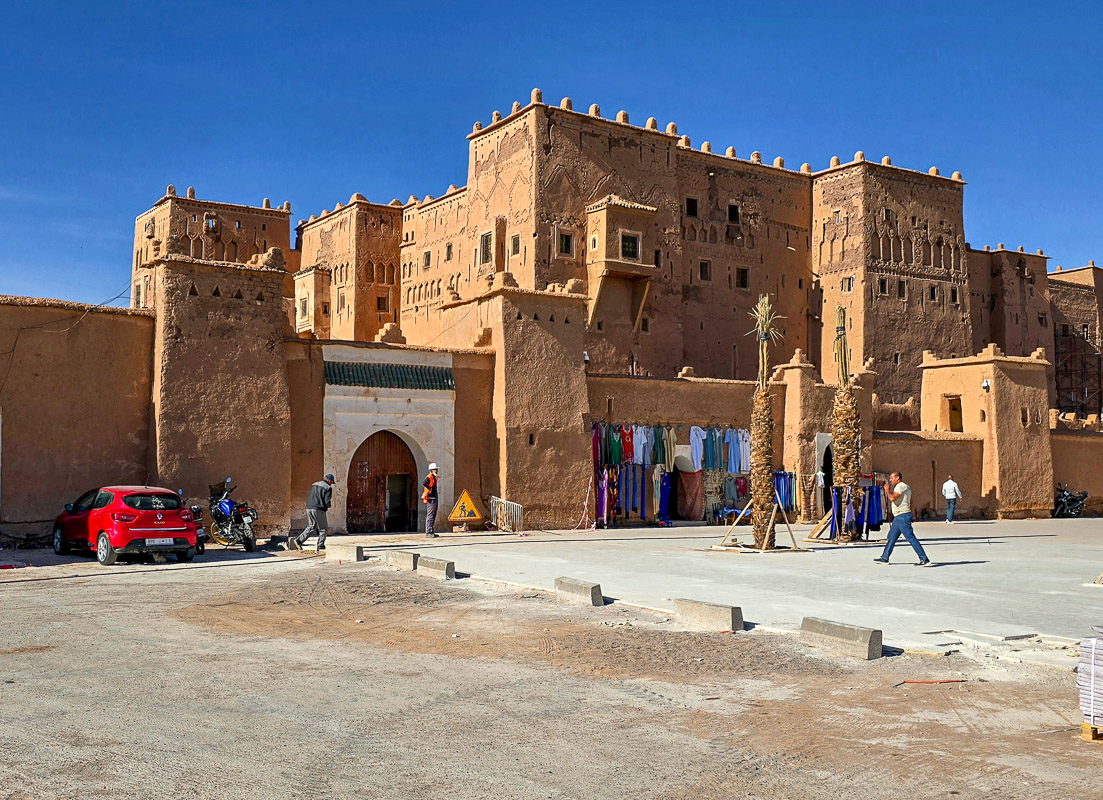
  • The old fortress Kasbah Taourirt - Kasbah Taourirt in Ouarzazate is a beautiful example of traditional Moroccan architecture. This beautiful palace was once the residence of local rulers and now serves as a museum. Stroll through the narrow streets and admire the handcrafted mosaics and ornate doors.
  • Famous Ksar Ait Ben Haddou - Ksar Ait Ben Haddou is one of the most beautiful places in Morocco. This ancient urban complex, located on the border of the Sahara and the Atlas Mountains, is listed as a UNESCO World Heritage Site. Ksar Ait Ben Haddou offers stunning views of the surrounding landscape and is an ideal place for walks and exploring the local culture.
  • Kasbah Tifoultoute - Kasbah Tifoultoute is one of the most picturesque landmarks in Ouarzazate. This beautiful fortress was once home to a local ruler and now serves as a tourist attraction. Walking up the stone steps and narrow streets will transport you back in time. From the top of the kasbah, you can enjoy a stunning view of the surrounding landscape.
  • Museum of Cinema and Atlas Studio - The Museum of Cinema in Ouarzazate takes you into the world of the film industry. This city is known as the 'Gateway to the Desert' and has been used as a setting for many films, such as Gladiator, Star Wars, and Game of Thrones. The museum offers visitors the opportunity to explore the history of the film industry and see how movies are made.
  • Atlas Film Studios - Atlas Studios is the largest film studio in North Africa and is known for its sets that have been used in many famous movies, such as Gladiator and Star Wars. Explore the sets and learn more about how movies are made. These studios are the biggest tourist attraction in Ouarzazate and are an ideal place for film fans.
  • Kart Aventure - Kart Aventure is the best way to explore the beauty of Ouarzazate. Ride ATVs on fascinating mountain roads and enjoy an adrenaline-filled experience. Visit traditional Berber villages and discover the beauty of the surroundings. Kart Aventure is ideal for families and individuals looking for adventure in the beautiful Moroccan countryside.
  • Adventure in the oasis - Unforgettable adventure in the desert. You can choose from various activities, such as camel riding, quad biking, or snowboarding. Or all of the above. Or you can walk in the hot sand and relax in a luxury camp, where you will enjoy an evening concert of Berber music and sleep in a furnished tent.
  • Old Synagogue - The old synagogue serves as a cultural and historical source. It offers a range of authentic objects from Jewish religious services and daily life that have been preserved in their original form. This place is not just a museum, but allows tourists to travel back in time and learn about the shared history of the Jewish and Amazigh people in the region, who have coexisted with Muslims for centuries.

Marrakech

Fez

Rabat

Meknes

Chefchaouen

Agadir

Tangier

Essaouira

Ouarzazate

Casablanca

Casablanca

Casablanca is a fascinating city of contrasts located on the western coast of Morocco. This dynamic city offers visitors a mix of traditional Moroccan culture and modern life. Do not miss a visit to the impressive Hassan II Mosque, which dominates the city's skyline and is the only one in Morocco open to non-Muslim tourists. Explore the old Medina with its many traditional markets or the beautiful Ain Diab beach, perfect for relaxation and entertainment. In Casablanca, be sure to taste traditional Moroccan cuisine and enjoy an evening at one of the local cafes.

8 tips - the best of Casablanca

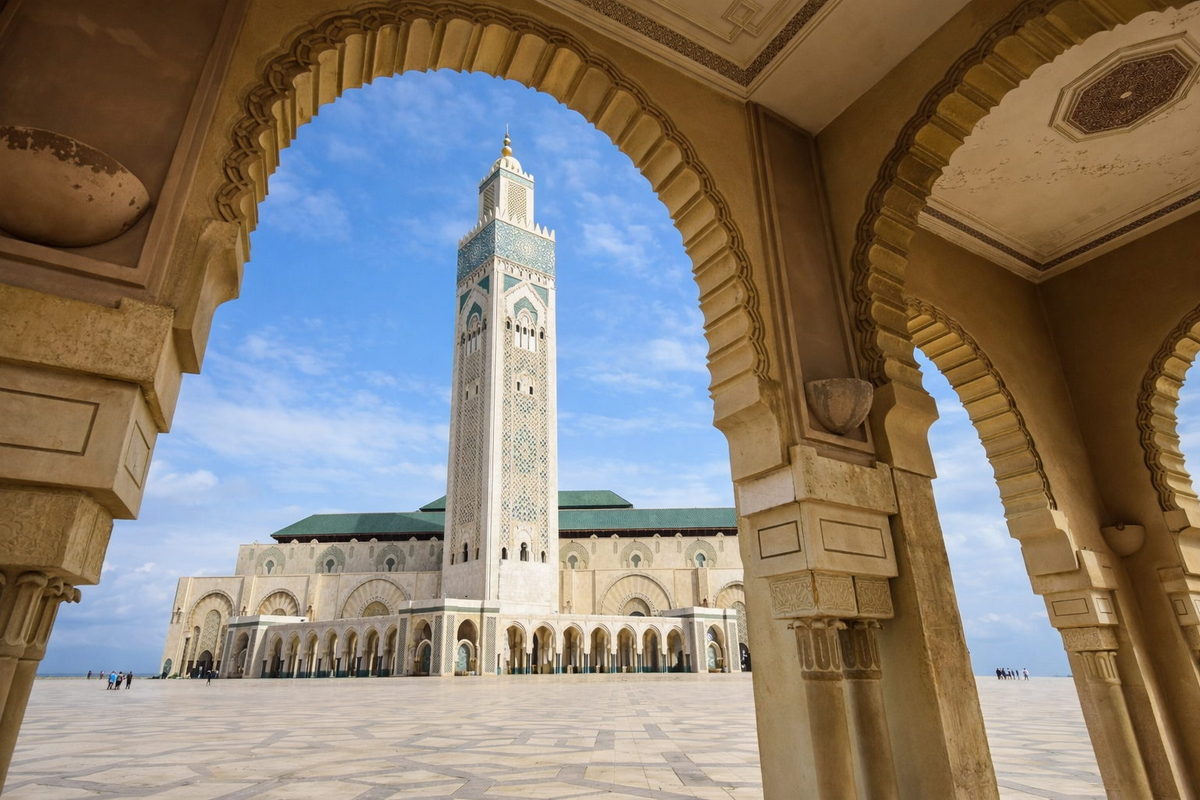
  • Unique Hassan II Mosque - This mosque is the largest in Morocco and the fifth largest in the world. It is built on the Atlantic coast and its minaret reaches a height of 210 meters. Inside, you will find many marble columns and beautiful mosaics. It was built in 1993 and can accommodate up to 25,000 worshippers. The mosque is open to visitors regardless of their religion and offers a breathtaking view of the ocean.
  • Largest square of Mohammed V - This square is the largest square in Casablanca and forms the center of the city. The square is named after the Moroccan king and is surrounded by several significant buildings, such as the Palace of Justice and the French Embassy. At night, the square is illuminated, offering visitors a beautiful view of the city's architecture.
  • Green Park of the Arab League - This is a beautiful place to relax in the center of Casablanca. The park offers a peaceful and quiet environment where you can rest from the city's hustle and bustle. You will find plenty of greenery, flower beds, and fountains here. A walk through the park will take you to the top of the hill, from where there is a magnificent view of the city. It is open daily and admission is free.
  • Royal Palace - The Royal Palace in Casablanca is the largest palace in Morocco. It is the residence of the king and the main center of power. The palace is built in the style of Moorish architecture and is surrounded by beautiful gardens. The interior is richly decorated and full of works of art. Visit the Royal Palace and experience the royal life in Morocco.
  • Quartier Habous - Immerse yourself in the authentic Moroccan atmosphere in Quartier Habous. This market area offers traditional crafts such as ceramics, leather goods, and carpets. Stroll through the narrow streets and taste the local cuisine at one of the restaurants. Also, visit the beautiful mosque, which has become a symbol of the district. Quartier Habous is a great place for shopping and experiencing Moroccan culture.
  • El Hank Lighthouse - El Hank Lighthouse is a historic landmark in Casablanca. Located on the Atlantic coast, it offers a stunning view of the city and the surrounding countryside. The lighthouse was built in 1916 and is one of the most important lighthouses in Morocco.
  • Sacre Coeur Cathedral - The Cathedral of the Sacred Heart in Casablanca is an impressive religious center and one of the most significant landmarks in the city. Its architecture combines traditional Islamic and Christian elements, and its interior is full of beautiful mosaics and sculptures.
  • Life flows at a different pace in the old medina than behind its walls. The Casablanca Medina is authentic, shops with all kinds of goods, from books, clothing, and food to live animals, are surrounded by shoppers, narrow streets wind between renovated white houses with wooden shutters, and you are suddenly transported back a century.

Marrakech

Fes

Rabat

Meknes

Chefchaouen

Agadir

Tangier

Essaouira

Ouarzazate

Casablanca